
Game Changing Devices on the Horizon
Technology is moving fast in 2024, and the next wave of devices is smarter, faster, and more adaptable than ever. From AI powered smartphones to foldable screens that redefine portability, here are the innovations set to shake up the device landscape this year.
Smarter Flagships: AI at the Core
Today’s top tier smartphones are evolving beyond speed they’re getting smarter.
AI optimized chipsets are enabling real time enhancements in photography, voice commands, and app performance
Built in machine learning accelerators make devices more responsive to user behavior
Major players like Apple, Samsung, and Google are embedding AI deeper into their mobile experiences
Track More, Know More: Wearable Tech Steps Up
The latest wearables are turning into personal health hubs, offering insights that go well beyond counting steps.
Advanced biometric sensors track heart rate, stress, oxygen saturation, and even skin temperature
AI backed health algorithms provide broader context and personalized alerts
Expect launches focused on discreet, all day wear with extended battery life
Flexible Displays: Foldables and Rollables
2024 is pushing the boundaries of physical form. Foldable and rollable displays are gradually moving from novelty to necessity.
Foldable phones are thinner, sturdier, and more affordable than ever before
Rollable screens offer on demand screen real estate in pocket sized devices
Watch for updates from Samsung’s Z series, as well as new entries from Motorola, Oppo, and lesser known challengers
Key Brands to Watch
This year, both tech giants and upstart disruptors are poised to launch standout devices:
Apple: Expected to make a bigger push into AI enhanced mobile features
Samsung: Leading in foldables, wearables, and smart ecosystem integration
Google: Tapping the power of its AI models into everyday Android experiences
Startups: Don’t ignore emerging names like Nothing, Humane, and Rabbit they’re bringing bold ideas to market
Explore the full list of upcoming tech products
Smarter at Home: AI Powered Living
Smart homes aren’t just a tech flex anymore they’re turning into practical, intuitive ecosystems. In 2024, the upgrades are less about flashy new gadgets and more about how seamlessly everything connects. We’re talking about walls that listen, thermostats that anticipate, and lights that don’t need a switch.
Voice control is sharper and more context aware. Your system knows the difference between “turn off the lights” at bedtime and during a movie. Automated routines are smarter, adapting to habits rather than just reacting to commands. The home starts to feel less like a dashboard of apps and more like it’s quietly working for you in the background.
Security is catching up fast. Cameras and doorbells aren’t just motion detectors anymore they recognize faces, track patterns, and integrate with other devices to take action without manual input. Think alerts when someone suspicious is loitering, not just walking by.
Then there’s the green tech push. Eco smart appliances now track energy use in real time and adjust themselves to lower your footprint while saving cash. Fridges prioritize cooling during off peak hours. Dishwashers run when solar is strongest. Efficiency isn’t optional; it’s baked in by design.
The trend is clear: homes that think, react, and adapt without getting in your way.
Mobility Tech Shifts Gears
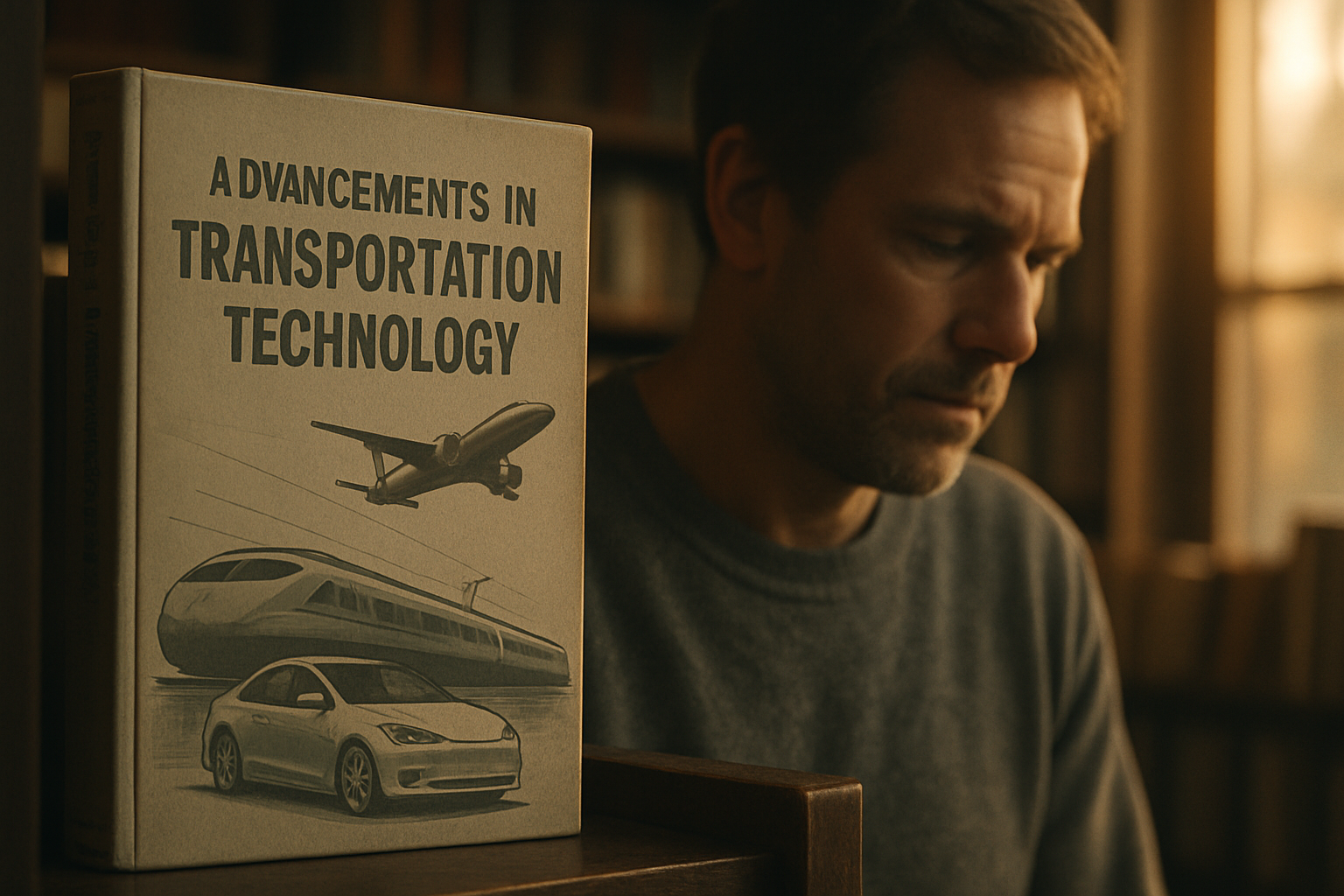
2024 is shaping up to be a landmark year for mobility innovation. With sustainability, efficiency, and urban living in mind, new technologies are redefining how we move through the world.
EVs Get a Power Boost
The newest wave of electric vehicles (EVs) is built for distance and speed not just performance, but practicality.
Longer driving ranges that rival gas powered cars
Ultra fast charging capabilities: some models charge 80% in 15 minutes or less
Integration with AI systems for battery health and route optimization
Major automakers like Tesla, Ford, and Hyundai are competing with new players, all racing to create the ideal electric vehicle for the masses.
Smarter Self Driving Fleets
Autonomous driving takes another step forward this year, especially in the commercial sector.
Improved AI and sensor tech allows vehicles to better navigate urban and highway conditions
Fleet management platforms make logistics smoother and safer
Regulatory approval expansions in several U.S. states and international markets are clearing the way for broader deployment
Expect more autonomous delivery vans, robo taxis, and long haul self driving trucks hitting the roads.
E Mobility in Cities
Urban transportation is evolving beyond the car.
E bikes and e scooters are being redesigned with longer battery life and rugged hardware
Shared mobility services are rolling out enhanced GPS, theft protection, and in app controls
Multi modal transportation apps help users seamlessly switch between ride share, scooters, bike stations, and public transit
As cities aim to reduce congestion and emissions, micro mobility solutions are becoming essential options for short trips and daily commutes.
Charging Infrastructure Expands
One of the biggest challenges for electric mobility charging is being directly addressed with massive infrastructure investments.
More fast charging stations are popping up in cities, suburbs, and along highways
Accessible payment systems and charging apps are making EV ownership less stressful
Universal charging standards are gaining traction, allowing for cross compatibility across brands
Governments and private companies alike are working quickly to fill the gaps on the EV charging map, making electrified transport more viable for everyone.
Next Level Entertainment Tech
We’re past the tipping point mixed reality headsets are no longer fringe gear for early adopters. Apple’s Vision Pro, Meta Quest 3, and other contenders are making immersive tech more accessible, with smoother interfaces, lighter designs, and apps that actually matter. The goal isn’t futuristic novelty anymore it’s seamless integration into how people work, game, and connect. For vloggers, that means new storytelling frontiers. Think 360° updates. Virtual location shoots. Audience POV switching. It’s all in play.
Gaming is evolving with it. Next gen consoles are pushing frame rates and realism to new highs, while cloud streaming platforms like NVIDIA GeForce NOW and Xbox Cloud Gaming are removing hardware limits altogether. Content creators are already tapping into this: live game sessions with near zero latency, platform agnostic streams, and high res breakdowns of gameplay across devices.
Add in spatial audio and 8K video, and we’re officially in the realm of sensory overload but in a good way. These aren’t just upgrades. They change how stories feel. For creators, this means crisper visuals, richer in headset sound design, and the ability to produce content built for headsets, headphones, or ultra screens. Expect more immersion, less noise, and platforms that reward creators who embrace the format head on.
Silicon + Software = New AI Tools
AI isn’t just some buzzword in a pitch deck anymore. It’s a part of daily workflows from creatives to coders to customer service. Image generation tools are churning out visuals in seconds. Voice cloning software is already producing realistic, usable audio for creators and brands. Automation scripts handle the boring stuff calendars, edits, even email responses with low to no code needed.
Startups are moving fast. Companies you didn’t hear of six months ago are now offering stackable tools that target specific pain points: AI copilots for dev teams, instant chatbots for small businesses, or product demo generators for marketers. It’s swarm level disruption, and old industries are scrambling to keep up.
From the chip level up, AI is shaping how products are even conceived. Hardware engineers are integrating dedicated AI cores, allowing real time enhancements in cameras, audio, and battery usage. Designers are prototyping with generative models and iterating at speed. The divide between software and silicon is thinning and the result is a new kind of product cycle, one where data shapes design from day one.
Stay Ahead of the Curve
If you want to know where tech is going, follow the big stages. CES, Google I/O, and Apple WWDC are ground zero for unveiling what’s next from hardware upgrades to software that rewires how we live. These events aren’t just about glitzy reveals they tip off which trends will actually gain traction by year’s end.
But don’t get caught up in marketing fog. Every year brings its share of smoke and mirrors concepts that never ship or features that solve fake problems. The key is to wait for follow through: reviews, developer adoption, and real world demos. That’s where signal separates from noise.
To stay current without drowning in the stream, track trusted roundups and hands on reports. Prioritize products that launch with a clear use case and ecosystem support. Skip the ones that only look cool in a keynote.
 Lead Technology Analyst