
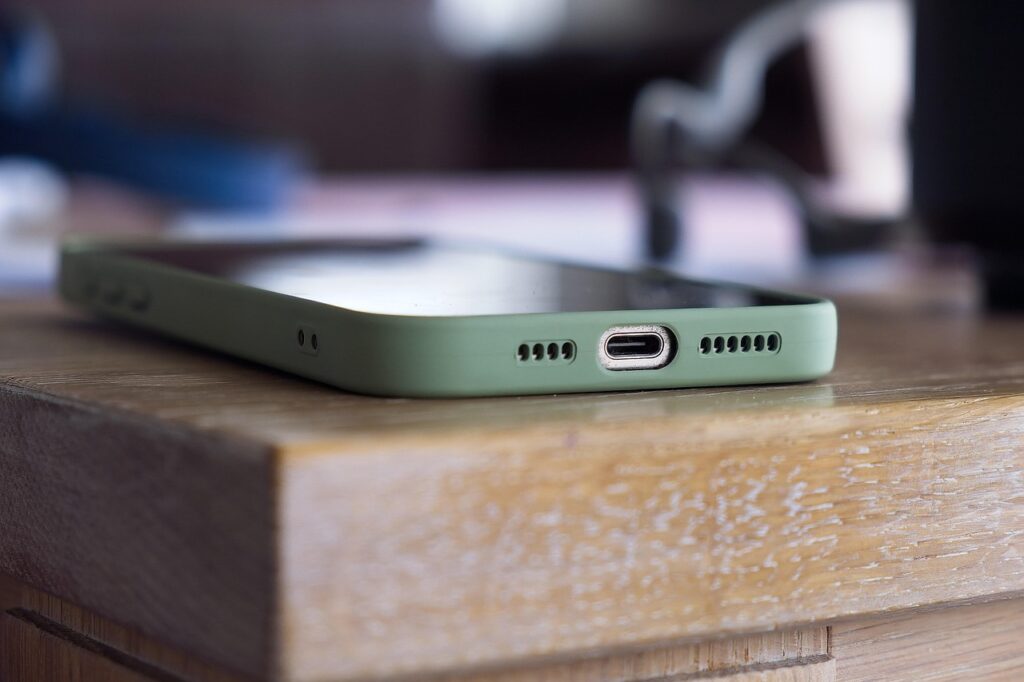
What Makes a Great Budget Smartphone in 2026
A few years ago, spending under $400 meant living with trade offs: sluggish processors, mediocre cameras, or dated software. Not anymore. In 2026, the bar for budget smartphones has quietly but firmly moved upward. Devices in this price range are now expected to deliver smooth performance, thanks to mid tier chipsets that punch above their weight and optimized software experiences that don’t lag behind premium options.
5G is no longer a luxury it’s a baseline. Almost every contender at this price comes with full 5G support, which future proofs your device for the next few years. On the display front, 90Hz or even 120Hz refresh rates paired with AMOLED panels are showing up more frequently, shrinking the gap between budget and flagship screens.
Fast charging is now expected. Forget the old trickle charge overnight routine many sub $400 phones now top up significantly in under an hour. AI enhancements, once locked behind premium price tags, are now making their way into budget phones too: smarter camera processing, adaptive power usage, and voice based control features are all becoming standard.
As for lifespan, software longevity is improving. Don’t expect pixel level Android support from everyone, but many phones offer three years of updates enough to keep things functional and secure. The bottom line? Budget phones in 2026 are anything but barebones.
For a broader look at innovations, check out the latest gadget news.
Google Pixel 7a
At $349, the Pixel 7a delivers flagship level brains in a budget body. Powered by Google’s custom Tensor G2 chip, it brings smooth performance, smart AI features, and reliable power management. The real kicker, though, is software: you get the clean experience of stock Android with five years of updates rare at this price point.
Camera? Best in class under $400. Sharp, color accurate shots and surprisingly strong low light performance make it a go to for mobile creators or anyone who wants point and shoot simplicity that just works.
The only downside is the 60Hz refresh rate. It’s not sluggish, but it’s less fluid next to rivals offering 90Hz or 120Hz. Still, if you care more about camera quality, software support, and smarts, the Pixel 7a hits harder than its price suggests.
Samsung Galaxy A16 5G
Price
$379 Slightly higher on the budget scale but offers premium features for the cost.
Key Highlights
Display: Large AMOLED panel delivers vibrant colors and deep contrast.
Refresh Rate: Smooth 120Hz refresh rate makes scrolling and gaming more enjoyable.
Software: Runs on One UI Core Samsung’s lighter interface, offering a familiar and polished user experience.
Performance & Battery
Battery Life: Reliable all day usage with optimized power consumption.
Performance: Decent mid range processor handles multitasking and casual gaming with ease.
Trade Offs to Consider
Ads in UI: Some users may find the integrated ads in Samsung’s software experience distracting.
Software Updates: Receives fewer updates compared to Samsung’s flagship lineup, with a comparatively slower schedule.
Who Is It For?
Ideal for users who prioritize display quality and a smooth interface, and don’t mind a bit of UI bloat for the Samsung experience.
OnePlus Nord N350

Price: $329
The OnePlus Nord N350 makes a solid case for users looking to punch above their budget. With the Snapdragon 7 Gen 1 under the hood, it brings snappy performance that comfortably handles gaming, multitasking, and daily use. OxygenOS remains one of the smoothest Android skins minimal bloat, fluid animations, and fast app launches.
What really sets the N350 apart is its near premium design. It doesn’t look or feel like a budget phone. The build screams flagship lite, with quality materials and clean lines that don’t cheap out on aesthetics.
Not everything’s perfect, though. While daylight shots hold up fine, the camera struggles in low light situations. Night mode helps a bit, but if photography is top priority, you’ll want to consider alternatives.
Still, for raw speed and a polished experience in the sub $350 bracket, the N350 is a top contender.
Motorola G85 Plus
At $299, the Motorola G85 Plus carves out a spot in the budget segment by focusing on what matters: reliability, battery life, and ease of use. It’s built tough and runs a clean version of Android, free from the clutter and bloat that drags down user experience on other brands. With 8GB of RAM and a 5000mAh battery, it powers through the day without slowing you down or dying on you halfway through a road trip vlog.
This isn’t a phone trying to be flashy. It’s here to get the job done without fuss. That said, don’t expect razor sharp visuals. The display is serviceable but lags behind rivals on crispness and brightness. For everyday use, it’s fine. For pixel peepers or mobile cinephiles, maybe not. Still, for creators who need a solid backup phone or a no drama daily driver, the G85 Plus delivers.
Xiaomi Redmi Note 13 Pro SE
Price: $289
The Redmi Note 13 Pro SE stretches your dollar farther than most phones can. You’re getting a bright 120Hz AMOLED display, a punchy MediaTek Dimensity processor, and a massive 200MP camera all for under $300. It’s an eye popping spec sheet that delivers solid day to day performance, gaming, and unexpected camera quality in good light.
Of course, there’s a catch. MIUI remains cluttered, and the global rollout has been uneven meaning software updates and regional support can get spotty. Still, for those willing to deal with a bit of bloatware, this is the budget powerhouse to beat in 2026. It hits hard where it matters and keeps things affordable.
Which One Stands Out?
Finding the right budget smartphone in 2026 depends on your specific needs. While all five models offer excellent value, certain phones go beyond in key areas that matter most to different users. Here’s a breakdown to help you decide:
Best for Camera Enthusiasts: Google Pixel 7a
Delivers class leading photo quality in its price range
Google’s AI driven image processing punches above its weight
Reliable performance, excellent long term software support
Ideal for social media users, content creators, and everyday shooters
Best for Gamers: OnePlus Nord N350
Powered by the Snapdragon 7 Gen 1 for smooth graphics performance
Optimized OxygenOS provides a responsive interface
Near flagship design enhances thermal management
Great pick for mobile gamers and performance junkies
Best for Everyday Use: Samsung Galaxy A16 5G
Balanced mix of battery life, performance, and display quality
Large 120Hz AMOLED screen makes scrolling and media consumption enjoyable
One UI Core is feature rich, albeit with occasional ads
A solid daily driver for most users
Best Overall Value: Xiaomi Redmi Note 13 Pro SE
Blends powerful hardware with a stunning 200MP camera
120Hz AMOLED display and MediaTek chipset offer premium features at a low price
Exceptional value for budget conscious tech lovers
Ideal for users who want the most bang for their buck, with minor trade offs (like MIUI bloatware)
Looking to stay ahead on upcoming devices and trends? Check out the latest gadget news for in depth coverage and updates across the tech space.
 Chief Content Officer